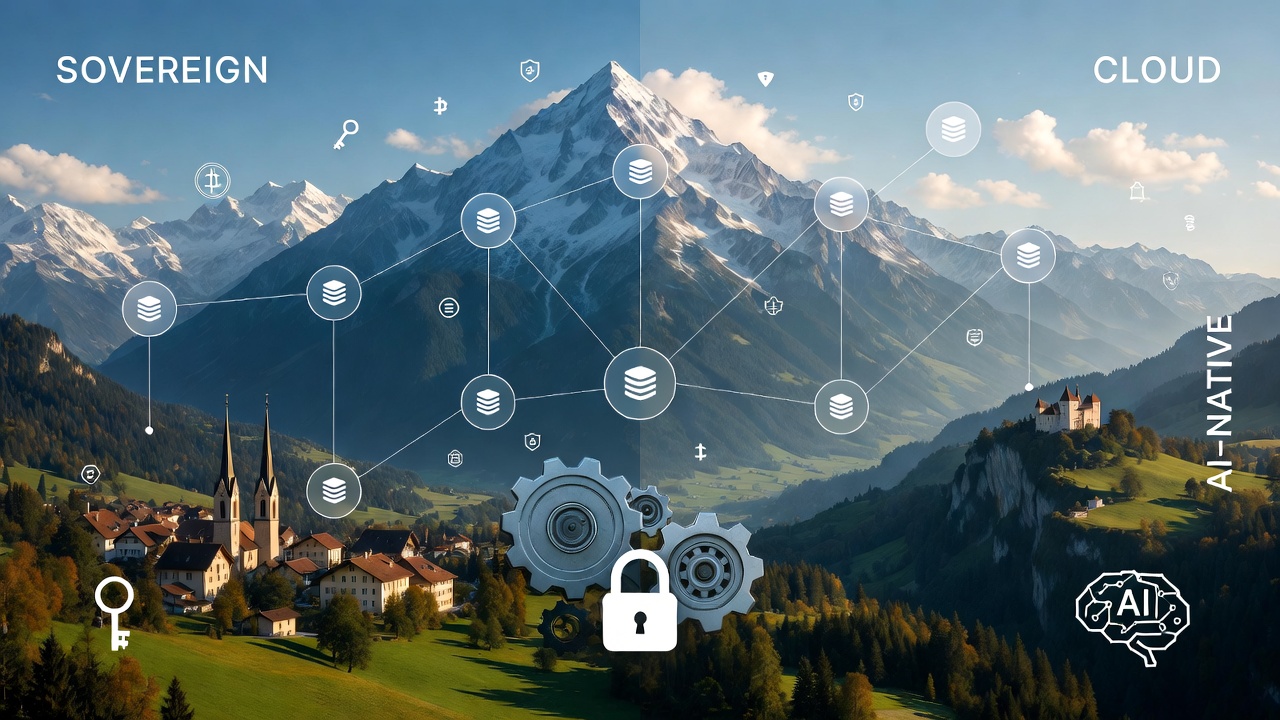
In a landmark announcement, Swiss Subnet officially launched in early access. As shared in a recent X post by @SwissSubnet, this is “a sovereign compute environment on the Internet Computer, designed for regulated, mission-critical and AI-native workloads.” With the tagline “Keep execution in Switzerland. Jurisdictional clarity. Verifiable runtime,” Swiss Subnet isn’t just another cloud service—it’s a game-changer for data sovereignty in the AI era.
Built on the Internet Computer (ICP) protocol by DFINITY, Swiss Subnet is the first national subnet of its kind. All 13 nodes are physically hosted in Switzerland (with a few in neighboring Liechtenstein), ensuring that data and computation never leave Swiss borders. This isn’t hype; it’s a direct response to growing global demands for independent digital infrastructure. Let’s dive into its features, the massive benefits for Switzerland, and the broader potential for nations, corporations, and even small businesses worldwide.
Key Features of Swiss Subnet
Swiss Subnet combines the best of blockchain’s decentralization with the reliability of enterprise cloud computing. Here’s what makes it stand out:
- 100% Swiss Jurisdiction and Data Residency: Every node is operated by independent Swiss (and Liechtenstein) providers. Computation, storage, and execution are governed exclusively by Swiss law. This eliminates risks from foreign regulations, such as the U.S. CLOUD Act, which could compel hyperscalers like AWS or Azure to hand over data.
- Verifiable and Tamperproof Execution: Powered by ICP’s Chain Key Cryptography and multi-party computation (MPC), the system offers cryptographic proof of execution. No black-box servers—everything is verifiable on the blockchain, making it ideal for high-stakes environments.
- AI-Native Infrastructure: Designed from the ground up for AI workloads. It supports “AI-native” applications where software is generated and operated by AI agents, all while maintaining Swiss-grade privacy and security. No exposing users to complex blockchain mechanics.
- Enterprise-Grade Cloud Experience: Deploy apps, scale workloads, and pay through familiar commercial models. The underlying infrastructure (subnets, canisters, and consensus) is invisible to users, delivering web-speed performance with infinite scalability.
- Advanced Privacy and Compliance Tools: Features like canister-in-canister architecture (nested smart contracts for isolated, modular apps), data mutability (the “right to be forgotten” for GDPR compliance), and confidential computing. It’s built for regulated sectors—finance, healthcare, government—while supporting seamless cross-chain interactions without risky bridges.
- Operational Resilience: As a first-class subnet on ICP, it inherits the protocol’s unhackable security, with nodes running in a decentralized, fault-tolerant manner.
In short, Swiss Subnet delivers what traditional clouds can’t: sovereign control without sacrificing performance or innovation.
Benefits for Switzerland: A Digital Fortress for the Future
For Switzerland—a nation renowned for its neutrality, banking secrecy, and precision—this launch is transformative. Here’s why:
- Bolstering Digital Sovereignty: Switzerland has been vocal about reducing reliance on foreign cloud providers. Recent reports highlight concerns over U.S.-based services in the public sector, with calls for “an independent digital future.” Swiss Subnet provides a homegrown alternative, keeping sensitive data (from bank records to patient health info) under Swiss jurisdiction. This aligns perfectly with the country’s strict data protection laws and neutral stance.
- Economic Boost and Innovation Hub: By attracting enterprises, institutions, and public organizations, Swiss Subnet positions Switzerland as Europe’s sovereign cloud leader. Sectors like fintech, pharmaceuticals, and government can innovate securely—think tokenized assets, AI-driven compliance tools, or decentralized identity systems. It could draw billions in investment, creating jobs in tech, node operations, and app development.
- Enhanced National Security and Resilience: In an era of cyber threats and geopolitical tensions, verifiable execution and geographic anchoring mean Switzerland controls its digital destiny. No more vulnerabilities from overseas data centers. Plus, it sets a precedent for public-private partnerships, with Swiss operators ensuring transparency and accountability.
- Alignment with Global Events: Launched during World Computer Day in Davos (amid the World Economic Forum), it’s a statement: Switzerland isn’t just hosting summits—it’s building the infrastructure for tomorrow’s digital economy.
This isn’t theoretical. Early access is already live, with pilots likely targeting regulated industries eager to escape vendor lock-in.
Potential for Other Nations: A Blueprint for Sovereign Clouds
Swiss Subnet isn’t just for the Alps—it’s a replicable model that could reshape global cloud computing. Here’s the ripple effect:
- National Subnets for Digital Independence: Countries like Germany, the EU bloc, or even emerging markets could launch their own ICP subnets. Imagine a “German Subnet” for EU GDPR compliance or a U.S.-anchored one for domestic regulations. This decentralizes power from Big Tech monopolies (AWS, Google, Microsoft), reducing risks from foreign laws and fostering local tech ecosystems.
- Geopolitical Leverage: Nations wary of data espionage or economic coercion get a neutral, verifiable alternative. Blockchain’s immutability meets national sovereignty, enabling secure cross-border collaborations without compromising control.
- Global Standards for Compliance: Features like privacy-preserving cryptography and data mutability could become benchmarks, pressuring traditional providers to adapt or lose market share.
The Internet Computer’s subnet architecture makes this scalable—any country with reliable infrastructure and regulatory clarity can join the “World Computer” network.
Opportunities for Corporations: Secure, Scalable, and Future-Proof
Big enterprises stand to gain the most, but it’s not just for giants:
- Risk Mitigation for Regulated Industries: Banks, insurers, and healthcare providers can run mission-critical apps with full auditability and compliance. No more CLOUD Act headaches or multi-million-dollar fines for data mishandling.
- Cost and Efficiency Wins: Decentralized infrastructure often means lower long-term costs (no massive data center builds) and better uptime. AI workloads run faster and cheaper on ICP’s web-speed execution.
- New Revenue Streams: Corporations can build and monetize on-chain services—like tokenized real estate, AI agents for trading, or supply chain trackers—all sovereign and interoperable.
Even for Small Businesses: Democratizing Sovereign Tech
Don’t think this is out of reach for SMEs. Swiss Subnet’s cloud-like interface lowers the barrier:
- Affordable Access to Premium Security: Small fintech startups or AI consultancies can deploy compliant apps without hiring blockchain experts or building custom infrastructure. Pay-as-you-go models make it viable.
- Innovation Without Compromise: A local e-commerce platform could integrate verifiable AI recommendations, or a health tech startup could handle patient data securely. The “verifiable runtime” means trust is built-in, attracting privacy-conscious customers.
- Leveling the Playing Field: SMBs often get crushed by big cloud vendors’ terms. Swiss Subnet offers resilience against outages, censorship, or price hikes—empowering nimble players to compete globally.
The Road Ahead: A Sovereign Future is Here
Swiss Subnet’s launch marks the beginning of a new era: cloud computing that’s not just powerful, but sovereign. For Switzerland, it’s a strategic win that cements its role as a digital neutral ground. For the world, it’s proof that decentralization and regulation can coexist—paving the way for nations, corporations, and businesses to reclaim control in the AI age.
If you’re in tech, finance, or policy, now’s the time to explore early access. The X post nailed it: “Swiss Subnet is live.” The question is, are you ready to keep your execution where it belongs?
What are your thoughts on sovereign clouds? Could this model transform your industry? Share in the comments.
Sources: Official Swiss Subnet announcements, DFINITY updates, and related analyses from Davos 2026.
Leave a Reply