Category: Blog
-

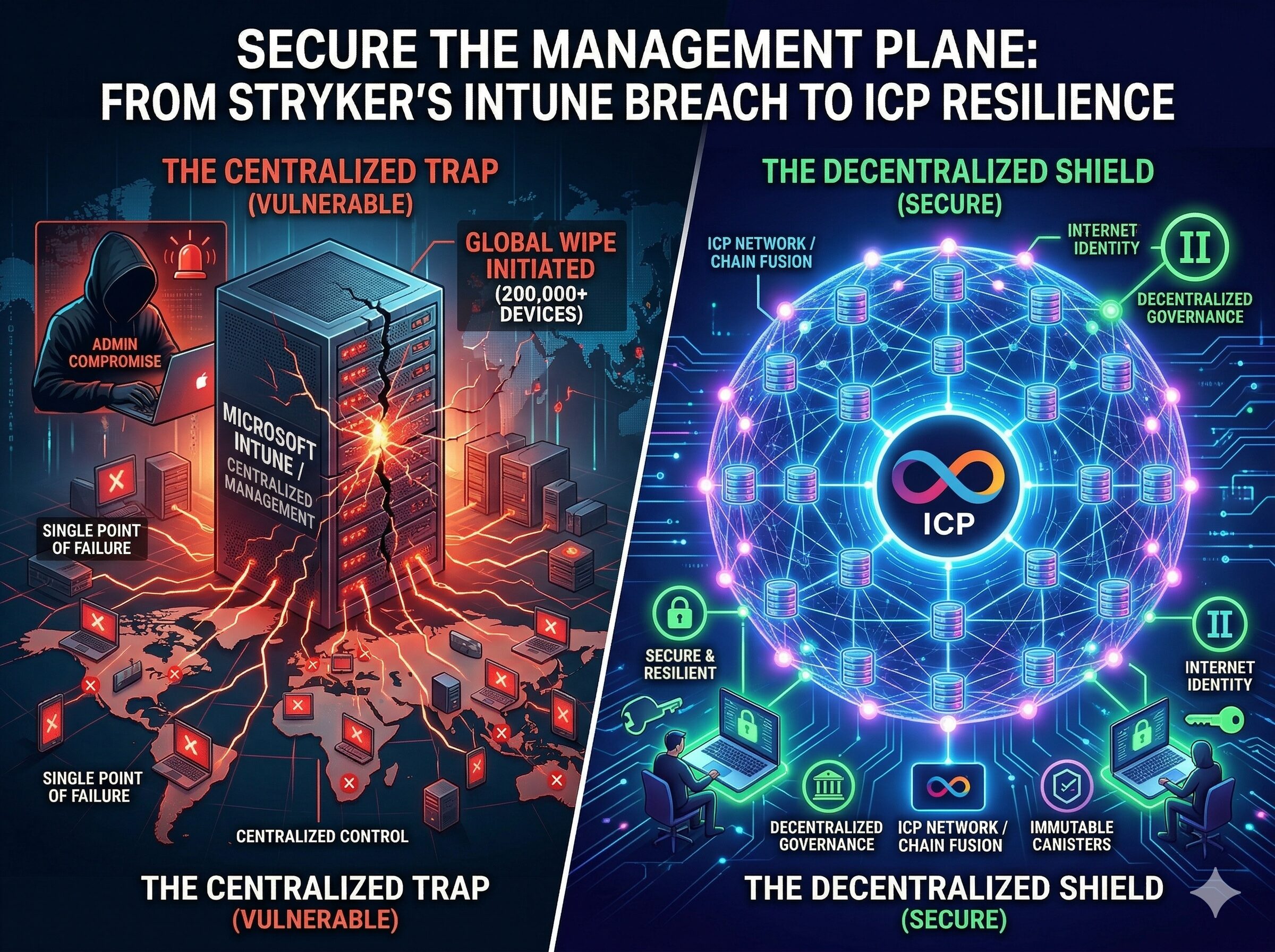
Why did 200,000 devices at Stryker vanish in a single morning? The answer lies in the vulnerability of centralized management systems like Microsoft Intune. We break down the CISA advisory and explain why ICP’s decentralized architecture is the only permanent fix for these catastrophic risks.
-
No, the Internet Computer (ICP) is not literally the only blockchain capable of hosting everything on-chain (storage, compute, frontend, backend, and AI), but it is widely regarded as the most complete, mature, and production-ready platform that achieves this in a unified, native way without significant off-chain dependencies. ICP’s canister architecture uniquely enables: This full-stack approach…
-

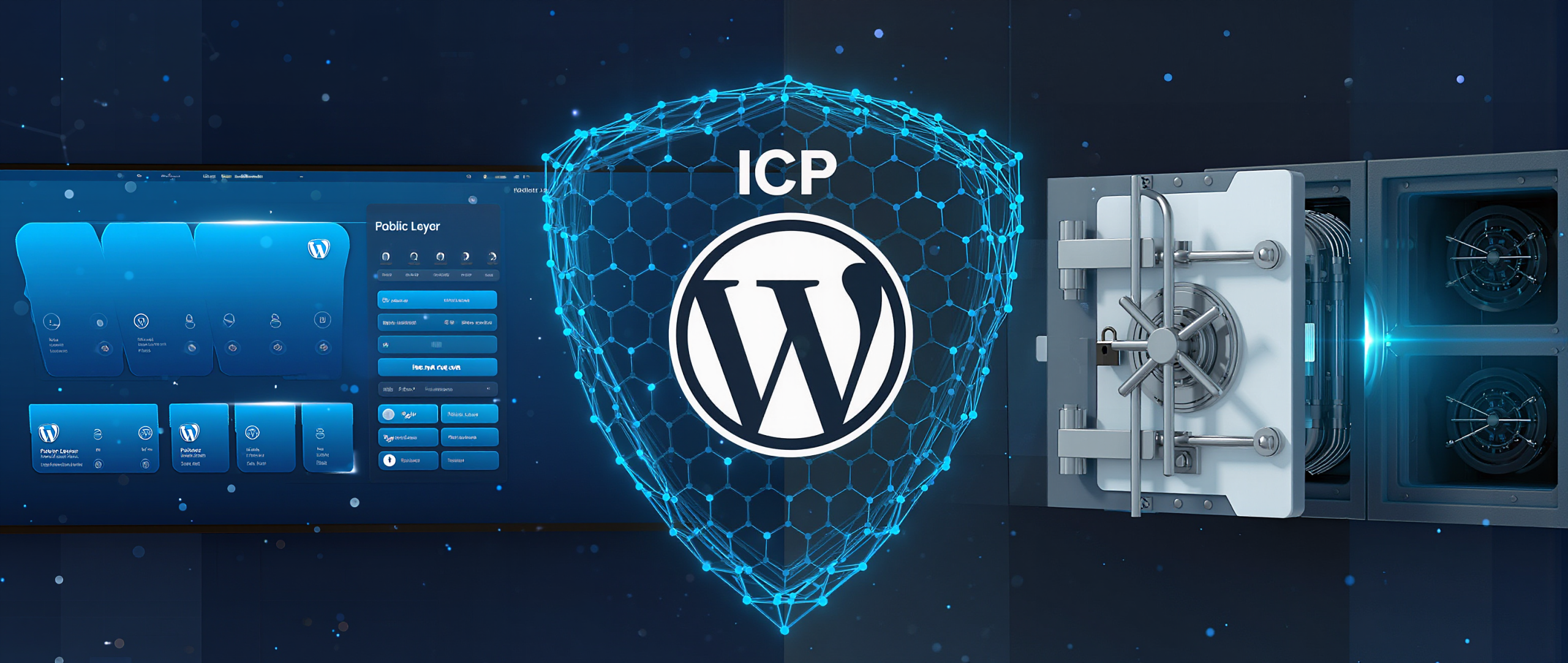
This is a repost of an X article: WASP validates a hybrid WordPress × blockchain architecture There is a problem with WordPress security. WordPress powers 43% of all websites worldwide, but this success has made it the internet’s biggest target. WASP fixes this by using blockchain technology to separate your public website from the WordPress…
-
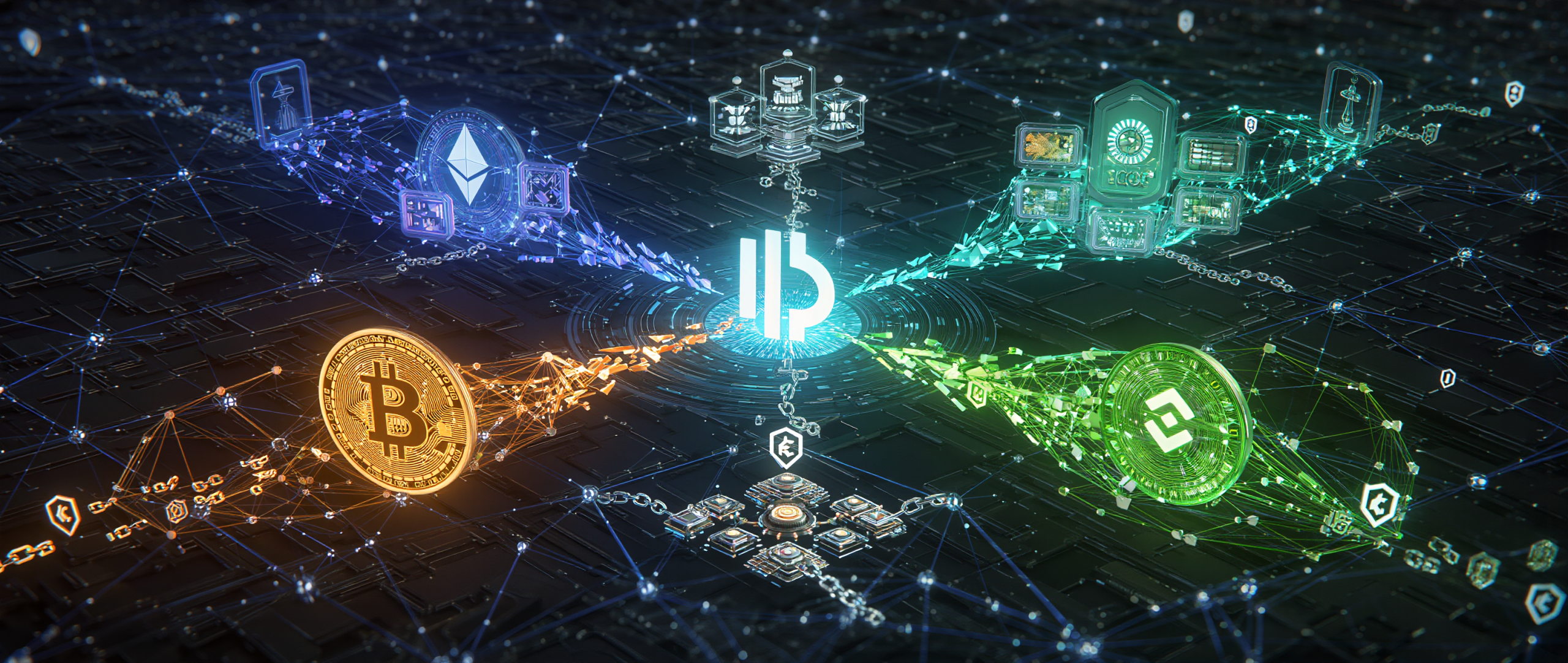
Learn how threshold signatures allow ICP smart contracts (canisters) to natively hold, sign, and transact assets such as ckBTC and ckETH. Explore real-world benefits including enhanced security, web-speed performance, infinite scalability, and powerful multi-chain DeFi use cases. From Bitcoin-native lending to cross-chain AI orchestration, Chain Fusion is redefining what’s possible in Web3.
-
The decentralized cloud is here — and ICP leads the way. With sovereign subnets, serverless canisters, reverse gas, and AI-native development, Internet Computer delivers true digital sovereignty, unmatched security, and freedom from vendor lock-in. Explore real-world adoption in Switzerland and Pakistan, plus ICP’s roadmap for the future of sovereign computing.